
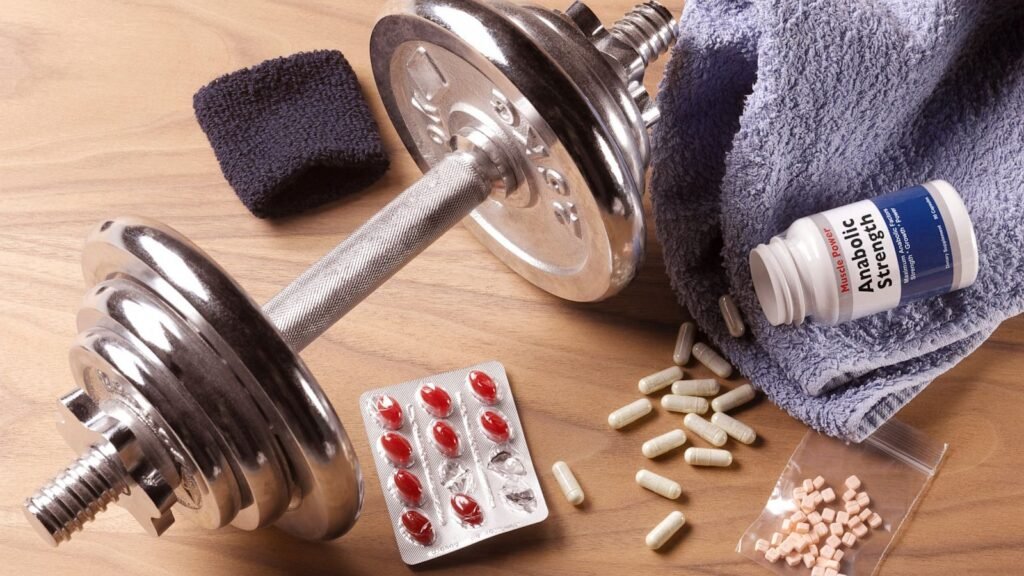
Risks of Using Performance-Enhancing Drugs in Gyms
Performance-enhancing drugs in gyms have become increasingly common as more people look for faster ways to build muscle, lose fat, and improve workout performance. While these substances may seem appealing, the risks of using performance-enhancing drugs for working out far outweigh the short-term benefits. From serious health complications to mental and legal consequences, PED use can cause long-lasting damage.
What Are Performance-Enhancing Drugs Used in Gyms?
Performance-enhancing drugs (PEDs) refer to substances taken to improve physical performance, muscle growth, endurance, or recovery. In gym environments, common PEDs include anabolic steroids, testosterone injections, human growth hormone (HGH), insulin misuse, and stimulant-based fat burners. Many gym users take these drugs without medical supervision, increasing the risk of severe side effects.
Health Risks of Using Performance-Enhancing Drugs for Working Out
One of the biggest dangers of using performance-enhancing drugs in gyms is the impact on overall health. Anabolic steroids can cause liver damage, kidney failure, high blood pressure, and heart disease. Long-term steroid use increases the risk of heart attacks and strokes, even in young and otherwise healthy individuals.
Hormonal imbalance is another major concern. PEDs interfere with the body’s natural hormone production, leading to serious complications that may persist long after drug use stops.
Hormonal and Reproductive Side Effects of Steroids
The side effects of steroids for gym users can be permanent. In men, steroid abuse may result in testicular shrinkage, reduced sperm count, infertility, and low natural testosterone levels. In women, performance-enhancing drugs can cause irregular menstrual cycles, deepened voice, increased body hair, and other irreversible physical changes.
These hormonal effects show that PED use does not only affect gym performance—it impacts long-term health and quality of life.
Mental Health Risks and Dependency
Using performance-enhancing drugs for bodybuilding and gym workouts can also affect mental health. Mood swings, aggression, anxiety, and depression are commonly reported side effects. Some users experience “roid rage,” which can strain relationships and lead to risky behavior.
Psychological dependence is another risk. Many gym users feel unable to train effectively or maintain confidence without PEDs, which can lead to increased dosage and dangerous drug combinations over time.
Increased Injury Risk in the Gym
Although PEDs can increase muscle size and strength quickly, tendons and ligaments do not adapt at the same pace. This imbalance significantly increases the risk of gym-related injuries such as muscle tears, tendon ruptures, and joint damage. Ironically, performance-enhancing drugs can end gym progress entirely due to long recovery periods or permanent injury.
Legal and Safety Concerns of PED Use
Many performance-enhancing drugs used in gyms are illegal or obtained from unregulated sources. These products may be contaminated, improperly dosed, or mislabeled, increasing the risk of infection and overdose. Legal consequences, gym bans, and damage to personal reputation are also possible outcomes of PED use.
Natural Alternatives to Performance-Enhancing Drugs
Instead of relying on performance-enhancing drugs, gym-goers can achieve sustainable results through proper training programs, balanced nutrition, adequate rest, and consistency. Natural muscle growth and strength development may take longer, but they support long-term health and reduce the risk of injury.
Conclusion: Why Avoid Performance-Enhancing Drugs in Gyms
The risks of using performance-enhancing drugs in gyms include serious health problems, mental health issues, increased injury risk, and legal consequences. While PEDs may promise fast results, they undermine the true purpose of fitness—long-term health, strength, and well-being.
Choosing natural training methods ensures progress that lasts and protects both the body and mind.