
Uncategorized

run 600x400

Why Consistency In The Gym Is Important

Why Consistency In The Gym Is Important Many people start going to the gym feeling motivated and excited. They buy new workout clothes, set goals, and plan to work out every week. But after a few days or weeks, some people stop because they feel tired, busy, or discouraged by slow progress.   The truth is, the biggest factor in fitness success is not talent, genetics, or expensive supplements—it is consistency. Consistency in the gym is what builds real strength, improves health, and creates long-term results. What Does Consistency in the Gym Mean? Consistency means showing up regularly and following your workout routine over time. It doesn’t mean training every single day. It simply means: Exercising regularly each week Following a routine that fits your schedule Staying committed even when motivation is low Making fitness part of your lifestyle   Even 3 days a week is enough as long as you stay consistent. Consistency Builds Real Results Many people quit because they expect fast changes. However, the body needs time to adapt. Fitness results happen slowly but steadily. When you stay consistent: muscles grow stronger endurance improves fat loss becomes noticeable posture becomes better energy levels increase The more consistent you are, the more your body improves. Consistency Improves Strength and Performance Strength training is like learning a skill. The more you practice exercises such as squats, push-ups, or bench press, the better you become. Consistency helps: improve your form increase your lifting strength reduce injury risk build confidence with gym equipment A person who trains consistently for 3 months will always improve more than someone who trains randomly for 1 month and quits. Consistency Helps You Build a Healthy Routine The gym becomes easier when it becomes part of your schedule. Consistency turns exercise into a habit. Once it becomes a habit: you stop overthinking workouts you feel weird when you skip you become more disciplined you start making healthier choices   A consistent routine is the foundation of a healthy lifestyle. Consistency Improves Mental Health One of the best benefits of being consistent in the gym is mental health improvement. Exercise releases endorphins, reduces stress, and helps clear your mind. Gym consistency can help: reduce anxiety lower stress improve mood increase self-confidence improve focus for school or work   This is why many people use the gym as a way to feel better emotionally. Consistency Helps You Avoid Starting Over One of the most frustrating things in fitness is stopping and restarting. When you stop training for a long time, your body slowly loses strength and endurance. Then, when you return: you feel weaker you get sore easily you lose motivation you feel like you’re back to zero   Consistency prevents this cycle and helps you keep progressing. Motivation Is Not Always There—Discipline Is A common mistake is waiting for motivation. Motivation comes and goes. Some days you feel excited, but other days you feel tired, busy, or lazy. Consistency teaches discipline: you train even when you don’t feel like it you commit to your goals you push through hard days you become mentally stronger   Discipline is what creates long-term fitness success. How to Stay Consistent in the Gym Here are simple tips to stay consistent: ✅ Set realistic goals✅ Start with 2–3 workouts per week✅ Track your progress✅ Find a workout buddy✅ Focus on small improvements✅ Don’t compare yourself to others✅ Remember your reason for starting   The goal is not perfection—the goal is progress. Conclusion Consistency in the gym is the real secret to achieving fitness goals. It builds strength, improves health, boosts confidence, and helps you stay mentally strong. Even if progress feels slow, staying consistent will always lead to results.   If you want to see real change, don’t stop. Keep showing up, stay committed, and trust the process.

Why Consistency In The Gym Is Important Read More »

muscular fitness model working out for six pack abs doing cable pull outs exercise 768x425

How to Shatter Plateaus and Grow Stronger Faster Than Ever

Every lifter eventually hits a plateau. The weights stop feeling heavier, the muscles stop growing, and progress slows to a crawl. The secret to breaking through these barriers lies in one fundamental principle: progressive overload. This concept is the backbone of strength training and the reason why athletes continue to grow stronger year after year. What Is Progressive Overload? Progressive overload is the gradual increase of stress placed on the body during exercise. Muscles adapt to the demands you place on them, so if you keep doing the same workout with the same intensity, your body has no reason to change. By consistently adding small challenges, you force your muscles, bones, and nervous system to adapt, resulting in strength gains and growth. How to Apply Progressive Overload There are multiple ways to implement progressive overload. The most obvious is increasing the weight you lift, but that’s only one piece of the puzzle. You can also add more repetitions or sets, shorten your rest periods to increase intensity, or refine your technique to recruit muscles more effectively. Even training a muscle group more frequently, while still allowing for recovery, can stimulate new growth. For example, if you bench press 100 pounds for three sets of ten repetitions, you could increase the weight to 105 pounds the following week. Alternatively, you might keep the weight the same but push for twelve repetitions, or add a fourth set. Each adjustment represents a new challenge, and over time, these small changes compound into significant progress. Check out the link of sample guides to overload your muscles: Progressive overload: the ultimate guide The Long-Term Benefits Progressive overload doesn’t just build muscle—it also strengthens connective tissues, improves endurance, and enhances overall athletic performance. It teaches discipline and patience, since the gains are gradual but steady. Most importantly, it ensures that your workouts remain effective and that your body continues to adapt. Conclusion Progressive overload is not about massive leaps—it’s about small, consistent improvements. By embracing this principle, you guarantee that your training will remain productive, your muscles will keep growing, and your strength will continue to climb. The science is simple, but the results are powerful.   Check out our other topics: Calories and Weight Loss: How does it really work

How to Shatter Plateaus and Grow Stronger Faster Than Ever Read More »

gym injury 600x400

How to Avoid Painful Gym Injuries That Destroy Your Progress

The gym is a place to build strength, confidence, and resilience. But it can also be a place of setbacks if training is approached carelessly. Injuries are often the result of poor technique, overtraining, or neglecting recovery, and they can derail progress for weeks or even months. The Most Common Gym Injuries Lower back strains are among the most frequent issues, often caused by improper form during deadlifts or squats. Shoulder impingements can result from incorrect overhead pressing, while knee pain often stems from poor squat mechanics or lack of mobility. Wrist and elbow tendonitis is another common problem, usually due to repetitive stress from pressing or curling movements. These injuries are preventable with the right approach. Find more about different types of injuries in this link:  Recognizing and Preventing Common Gym Injuries How to Lift Safely Safe lifting begins with preparation. A proper warm-up that includes dynamic stretches and lighter sets primes your muscles and joints for heavier work. During the workout itself, focusing on form is crucial—quality repetitions are far more valuable than sloppy, heavy ones. Using spotters or safety equipment when attempting challenging lifts adds another layer of protection. Progress should be gradual; ego lifting, or jumping too quickly in weight, is one of the fastest ways to get hurt. The Role of Recovery Recovery plays a central role in injury prevention. Rest days allow muscles to repair and grow, while mobility work such as stretching and foam rolling improves range of motion and reduces stiffness. Balanced training is equally important; neglecting opposing muscle groups, such as training chest without strengthening the back, can create imbalances that lead to injury. Conclusion Safe lifting isn’t about avoiding hard work—it’s about training smart. By respecting your body, listening to its signals, and prioritizing recovery, you can stay consistent in the gym and build strength without setbacks. Also, protecting yourself ensures that your fitness journey remains sustainable and rewarding.   Try other topics: The Science of Progressive Overload: How to Keep Growing Stronger

How to Avoid Painful Gym Injuries That Destroy Your Progress Read More »

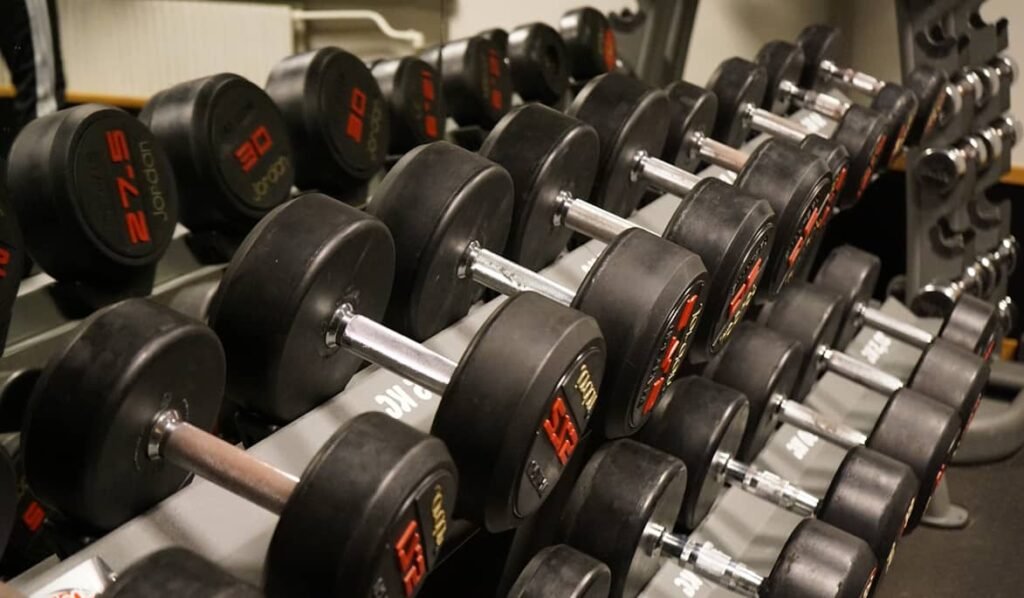
Dumbills 1024x598

How gym workouts improve mental health

Benefits of Going to the Gym: Why Regular Exercise Improves Your Body and Mind Many people think going to the gym is only for building muscles or losing weight. However, regular gym exercise has many benefits that improve not only your physical appearance but also your mental health, confidence, and daily performance. In this article, we will discuss the benefits of going to the gym, how exercise helps the body, and why it is one of the best habits you can build for a healthier lifestyle. Improves Heart Health One of the biggest benefits of going to the gym is improving cardiovascular health. Exercises such as treadmill walking, cycling, and jump rope help strengthen the heart. Regular cardio training can: Improve blood circulation Lower blood pressure Reduce the risk of heart disease Increase stamina and endurance Even 20–30 minutes of cardio, 3–4 times a week, can make a big difference. Helps Build Muscle and Strength Strength training is important for both men and women. It helps improve muscle strength, posture, and overall body balance. Common gym exercises for strength include: Squats Bench press Dumbbell workouts Cable machine exercises Building muscle also helps with daily activities like lifting, walking, and even sitting with better posture. Supports Weight Loss and Fat Burning Many people go to the gym to lose weight. Gym workouts burn calories, increase metabolism, and help the body burn fat more efficiently. Weight loss becomes easier when you combine: Strength training (builds muscle and increases metabolism) Cardio workouts (burns calories) Proper diet and hydration Consistency matters more than extreme workouts. Improves Mental Health and Reduces Stress Exercise is not only for the body—it also helps the mind. Gym workouts release endorphins, also known as “happy hormones.” Going to the gym helps reduce: Stress Anxiety Low mood Mental fatigue   This is why many students and workers feel better after exercising. Builds Confidence and Self-Discipline A major benefit of going to the gym is the improvement in confidence. When you exercise regularly, you start noticing progress, such as: stronger body improved posture better energy healthier appearance The gym also teaches discipline, which can help in school, work, and personal goals. Improves Sleep Quality People who exercise regularly tend to sleep better at night. Gym workouts help the body relax and reduce restlessness. Exercise improves: sleep duration sleep quality relaxation recovery and muscle growth   A healthy sleep schedule also improves focus and mood during the day. Strengthens the Immune System Working out helps the body stay active and improves immunity. When you exercise moderately, it improves blood flow and helps the body fight sickness.   However, it is important to avoid overtraining because too much exercise without rest can cause fatigue. Prevents Lifestyle Diseases Regular exercise helps prevent diseases such as: obesity diabetes high cholesterol hypertension The gym supports a healthier lifestyle by improving how the body uses energy and processes food. Beginner Tips Before Going to the Gym If you are new to the gym, here are important tips: ✓  Start with light weights✓  Focus on proper form✓  Warm up before training✓  Drink water✓  Rest and recover✓  Don’t compare yourself to others  Everyone starts as a beginner, so the most important part is showing up consistently. Conclusion The benefits of going to the gym go beyond appearance. Gym workouts improve heart health, strength, mental health, confidence, sleep, and long-term wellness. Whether your goal is weight loss, muscle gain, or stress relief, regular exercise can help you live a healthier and happier life. Start small, stay consistent, and make fitness part of your lifestyle.

How gym workouts improve mental health Read More »

Maxresdefault 1024x576

Unlock the Power of Gym Sessions with Friends: 7 Game-Changing Benefits

Unlock the Power of Gym Sessions with Friends: 7 Game-Changing Benefits Tired of solo workouts that feel like a chore? Imagine turning your gym routine into a social adventure. Going to the gym with friends isn’t just fun—it’s a smart hack for better fitness results. Studies from the National Library of Medicine show social support boosts exercise adherence by up to 56%. In this post, we’ll dive into the top benefits of having a workout buddy, why it beats flying solo, and tips to make it stick. 1. Boosted Motivation That Lasts Nothing kills a workout streak like skipping the gym on a rainy day. Friends change that. Accountability kicks in: You show up because your buddy is waiting—no more excuses. Friendly rivalry sparks effort: Racing on the treadmill or spotting heavier lifts pushes you harder. Shared energy lifts moods: Laughter and high-fives release endorphins, making sessions fly by. Real talk: A University of Michigan study found workout groups increase consistency by 35% compared to solo gym-goers. 2. Faster Fitness Gains and Results Gym with friends means more reps, better form, and quicker progress. Spotting for safety and strength: They catch your form slips and cheer on personal records. Variety keeps it fresh: Try new classes or challenges together to avoid plateaus. Paced intensity: Push each other without overdoing it, reducing injury risk by 25% per fitness research. Pro tip: Pair up for compound lifts like squats—results compound too! 3. Stress Relief and Mental Health Wins Workouts already melt stress, but friends amplify it. Social chats as therapy: Vent about life while crushing cardio—it’s free counseling. Hormone hack: Group exercise spikes oxytocin (the “bonding hormone”), cutting anxiety. Long-term mood boost: Regular gym buddy sessions combat depression, per Harvard Health.  Forget the gym grind; it’s now your happy hour alternative. 4. Healthy Habits That Stick for Life Solo gym motivation fades, but friends build lasting routines. Solo Workout Gym with Friends Easy to skip Mutual commitment Boring routines Fun challenges Short-term gains Lifelong habits Friends normalize fitness, turning it into a non-negotiable social ritual. 5. Expanded Knowledge and Skill Sharing Your crew becomes a free personal training network. Swap tips on nutrition, form tweaks, or app recommendations. Discover new exercises—yoga flows from one, HIIT hacks from another. Avoid common pitfalls through collective wisdom. Bonus: It’s like having multiple coaches without the price tag. 6. Calorie Burn and Fun Factor Skyrockets Playful competition turns workouts into games. Dance cardio parties or plank challenges double the fun (and burn). Laughter burns extra calories—up to 10-40 per 15 minutes, says Vanderbilt research. Time flies: 45 minutes feels like 20. Who knew sweating could feel like a night out? 7. Stronger Bonds and Social Perks Gym time strengthens friendships while building your body. Shared victories create unbreakable bonds. Networking bonus: Meet their friends, expanding your circle. Post-workout hangs (smoothies, not beers) reinforce healthy vibes. Tips to Maximize Gym Time with Friends Ready to level up? Start simple: Schedule weekly sessions like coffee dates. Mix intensities—one rests while the other works. Set group goals, like a 5K run together. Use apps like Strava to track and celebrate wins. Final Push: Grab a Friend and Go Going to the gym with friends transforms exercise from duty to delight, delivering motivation, results, and joy. Ditch the solo slog—text a buddy today. Your future fitter self (and social life) will thank you. What are you waiting for? Tag your workout partner and hit the gym! Keywords: gym with friends, workout buddy benefits, benefits of exercising with friends, gym motivation tips

Unlock the Power of Gym Sessions with Friends: 7 Game-Changing Benefits Read More »

hq720 600x338

Science vs Bro Science: How Evidence-Based Training Outperforms the Traditional Gymbro Approach

Science vs Bro Science: How Evidence-Based Training Outperforms the Traditional Gymbro Approach Photo of Jeff Nippard | Credit: https://www.youtube.com/watch?v=U1zCyaQc91gScience-based strength training programs for muscle growth | Evidence-backed hypertrophy training methods | Difference between bro science and evidence-based lifting | Progressive overload techniques for building muscle | Optimal training volume and frequency for strength gains Science-based strength training relies on research-backed principles like progressive overload and optimal volume, while the traditional “gymbro” or “meathead” approach often follows anecdotal high-volume, high-intensity routines without evidence. This comparison breaks down their philosophies, methods, and outcomes to help you build muscle smarter. Core Philosophies Science-based training emphasizes principles such as specificity, overload, fatigue management, stimulus-recovery-adaptation (SRA), variation, phase potentiation, and individual differences. It prioritizes measurable progress through tracked variables like volume (sets x reps x load) and recovery to drive hypertrophy via mechanical tension and metabolic stress. Gymbro training, or “bro science,” leans on one-size-fits-all myths like constant failure training, muscle confusion, or endless high reps, often ignoring recovery and personalization Training Methods Science-based programs use 3-6 sets of 6-12 reps at 60-80% 1RM with 60-second rests, totaling 12-28 sets per muscle weekly, spread over 2+ sessions for better frequency. Techniques like cluster sets, drop sets, or blood flow restriction add efficiency without excess fatigue. Gymbro methods favor bro splits (one muscle/day), ultra-high volume (20+ sets/session), always training to failure, and ignoring tempo or periodization, leading to high perceived exertion Aspect Science-Based Gymbro Approach Frequency 2-3x/week per muscle 1x/week (bro split) Volume 12-28 sets/muscle/week High per session, often excessive Intensity 60-80% 1RM, 3-4 reps in reserve To failure every set Rest 60s-2min, managed fatigue Short or none, ego-lifting Results and Evidence Both can build muscle initially, but science-based yields superior long-term strength (e.g., 65% vs 44% MVC gain with 3x vs 1x weekly frequency at matched volume) and hypertrophy with less fatigue. Gymbro risks overtraining, plateaus, and injury from poor recovery. Meta-analyses confirm higher frequency and moderate volume optimize growth when equated. Evidence-Backed Tips Progressive Overload: Increase weight/reps weekly while tracking volume; aim for 10+ sets/muscle/week minimum. Frequency: Train muscles 2x/week for better gains than once. Recovery: Include deloads every 4-6 weeks; sleep 7-9 hours. Nutrition: 1.6-2.2g protein/kg bodyweight daily. (Note: General guideline from hypertrophy reviews.) Advanced Tweaks: Use drop sets or supersets for time-efficiency once basic volume is hit. Beginners start with full-body 3x/week; experienced add splits.

Science vs Bro Science: How Evidence-Based Training Outperforms the Traditional Gymbro Approach Read More »

5 ways to make eating healthy easy 768x512

Calories and Weight Loss: How does it really work

Calories and Weight Loss: How does it really work calories and weight loss for beginners | calorie deficit explained simply | stay full while eating less | how calories affect weight loss for beginners | how many calories should I eat to lose weight safely | If you’ve ever tried to lose weight, you’ve probably heard the phrase: “It’s all about calories.” While that’s partly true, calories can feel confusing and even frustrating. Some people track every bite. Others avoid the topic entirely. The truth sits somewhere in the middle. This guide explains how calories actually work, how they relate to weight loss, and how to manage them in real life — without obsessing or starving yourself. What Are Calories, Really? Calories are the fuel your body uses to function. Even at rest, you burn calories to breathe, think, and keep your organs working. Food supplies this energy, and different nutrients carry different amounts. Fat is more calorie-dense than carbs or protein, but that doesn’t automatically make it unhealthy. What matters is your total balance across the day. The Relationship Between Calories and Weight Loss Weight change comes down to calorie balance. If you consistently eat more than you burn, weight increases. If you eat less than you burn, weight decreases. A small deficit over time leads to fat loss. Think of your body like a bank account: eating adds energy, daily activity withdraws it. Sustainable weight loss isn’t about extreme restriction — it’s about habits you can repeat long term. Common Misconceptions About Calories One common myth is that all calories affect the body the same way. While the number matters, food quality influences hunger and satisfaction. A meal with protein and vegetables will keep you full much longer than the same calories from sugary drinks. Another misconception is that you must eat as little as possible. Severe restriction usually backfires by increasing cravings and making overeating more likely later. Exercise is helpful for health and supports weight loss, but it can’t fully compensate for poor eating habits Practical Tips for Managing Calorie Intake Build meals around protein and fiber-rich foods so you stay full longer. Watch liquid calories from sugary drinks and specialty coffees, since they add energy without filling you up. Eat slowly, give your body time to recognize fullness, and focus on consistent routines instead of chasing perfection. A single high-calorie meal doesn’t ruin progress. What matters most is returning to your normal habits the next day. Final Thoughts Calories are a tool, not an enemy. You don’t need extreme dieting — just awareness and balanced choices. Small, repeatable habits lead to long-term results. Weight loss works best when it fits your lifestyle, not when it feels like punishment.

Calories and Weight Loss: How does it really work Read More »

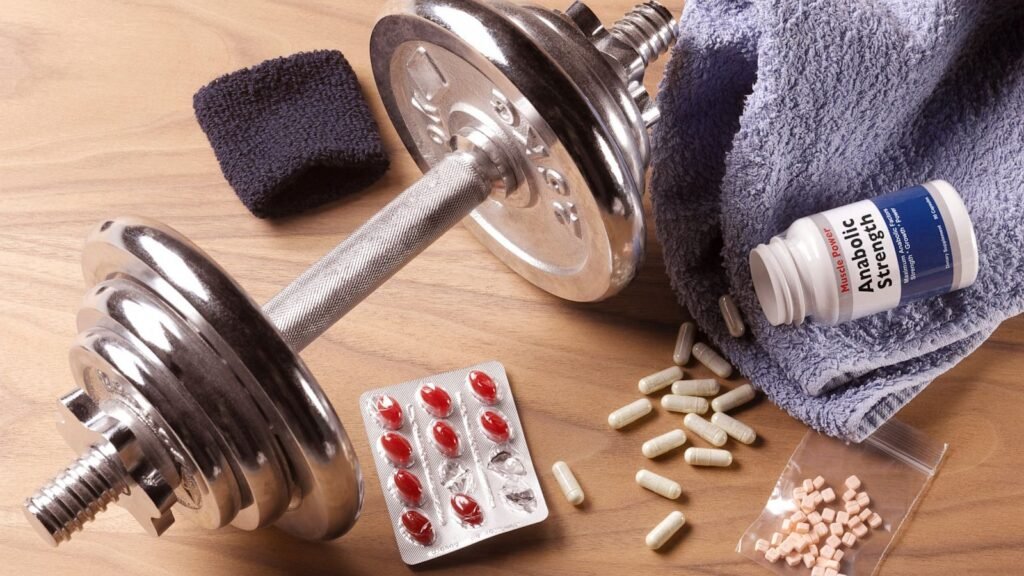
Gty Steroids Mi 130805 16x9 1600 1024x576

The Risks of Using Performance-Enhancing Drugs in the Gym

Performance-enhancing drugs in gyms may promise faster muscle growth and improved workout performance, but they come with serious health risks. From hormonal imbalance and mental health issues to increased injury and legal consequences, using PEDs for working out can cause long-term damage that outweighs short-term gains. Learn why avoiding performance-enhancing drugs is essential for safe, sustainable fitness progress.

The Risks of Using Performance-Enhancing Drugs in the Gym Read More »