
Science vs Bro Science: How Evidence-Based Training Outperforms the Traditional Gymbro Approach
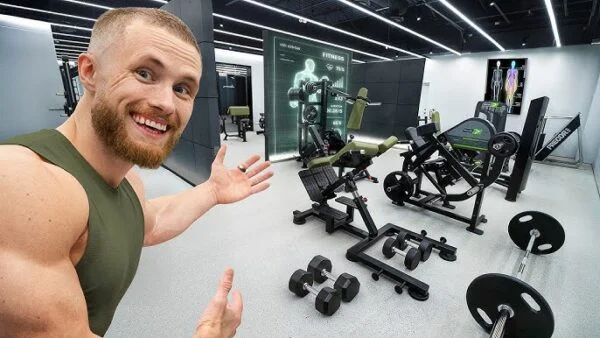
Photo of Jeff Nippard | Credit: https://www.youtube.com/watch?v=U1zCyaQc91g
Science-based strength training programs for muscle growth | Evidence-backed hypertrophy training methods | Difference between bro science and evidence-based lifting | Progressive overload techniques for building muscle | Optimal training volume and frequency for strength gains
Science-based strength training relies on research-backed principles like progressive overload and optimal volume, while the traditional “gymbro” or “meathead” approach often follows anecdotal high-volume, high-intensity routines without evidence. This comparison breaks down their philosophies, methods, and outcomes to help you build muscle smarter.
Core Philosophies
Science-based training emphasizes principles such as specificity, overload, fatigue management, stimulus-recovery-adaptation (SRA), variation, phase potentiation, and individual differences. It prioritizes measurable progress through tracked variables like volume (sets x reps x load) and recovery to drive hypertrophy via mechanical tension and metabolic stress. Gymbro training, or “bro science,” leans on one-size-fits-all myths like constant failure training, muscle confusion, or endless high reps, often ignoring recovery and personalization
Training Methods
Science-based programs use 3-6 sets of 6-12 reps at 60-80% 1RM with 60-second rests, totaling 12-28 sets per muscle weekly, spread over 2+ sessions for better frequency. Techniques like cluster sets, drop sets, or blood flow restriction add efficiency without excess fatigue. Gymbro methods favor bro splits (one muscle/day), ultra-high volume (20+ sets/session), always training to failure, and ignoring tempo or periodization, leading to high perceived exertion
| Aspect | Science-Based | Gymbro Approach |
|---|---|---|
| Frequency | 2-3x/week per muscle | 1x/week (bro split) |
| Volume | 12-28 sets/muscle/week | High per session, often excessive |
| Intensity | 60-80% 1RM, 3-4 reps in reserve | To failure every set |
| Rest | 60s-2min, managed fatigue | Short or none, ego-lifting |
Results and Evidence
Both can build muscle initially, but science-based yields superior long-term strength (e.g., 65% vs 44% MVC gain with 3x vs 1x weekly frequency at matched volume) and hypertrophy with less fatigue. Gymbro risks overtraining, plateaus, and injury from poor recovery. Meta-analyses confirm higher frequency and moderate volume optimize growth when equated.
Evidence-Backed Tips
Progressive Overload: Increase weight/reps weekly while tracking volume; aim for 10+ sets/muscle/week minimum.
Frequency: Train muscles 2x/week for better gains than once.
Recovery: Include deloads every 4-6 weeks; sleep 7-9 hours.
Nutrition: 1.6-2.2g protein/kg bodyweight daily. (Note: General guideline from hypertrophy reviews.)
Advanced Tweaks: Use drop sets or supersets for time-efficiency once basic volume is hit. Beginners start with full-body 3x/week; experienced add splits.